How to Travel Europe for Under $50 a Day: The Complete Budget Guide

How to Travel Europe for Under $50 a Day: The Complete Budget Guide

Europe doesn't require a fortune to explore. Budget Europe travel has become increasingly accessible, with millions of travelers discovering that countries from Portugal to Poland offer world-class experiences for dramatically less than Western European hotspots. The secret isn't sacrificing quality—it's traveling smarter, choosing underrated destinations, and mastering the strategies that separate savvy travelers from those watching their funds evaporate at overpriced tourist traps.
Two women enjoying downtime in a cozy hostel room with bunk beds.

Photo by Ketut Subiyanto on Pexels

Choose the Right European Countries for Budget Travel

The foundation of budget Europe travel rests on destination selection. Eastern European countries consistently deliver exceptional value without requiring compromise on experience. Poland offers remarkable history, vibrant cities, and museum-quality architecture at a fraction of Western European prices. A hearty meal in Warsaw or Krakow typically costs $6-$10, while accommodation in quality hostels ranges from $15-$25 per night. Hungary, particularly Budapest, delivers thermal baths, palatial architecture, and thermal spas for $3-$5 per entry, with street food meals available for $4-$6. Romania combines medieval towns, mountain hiking, and Carpathian wildlife at similarly modest costs, with mountain guesthouses offering accommodation for $12-$20 nightly.

Portugal and Greece remain surprisingly affordable within Western Europe, especially outside peak summer months. The Algarve in southern Portugal features beach towns where accommodation runs $20-$30 and meals at local tascas (traditional restaurants) cost $7-$12. Greek islands beyond Santorini and Mykonos—places like Paros, Naxos, and lesser-known Cycladic islands—offer whitewashed villages, Mediterranean cuisine, and beach access for $25-$40 daily. Albania, still relatively undiscovered, presents coastal beauty and mountain trekking at bargain rates, with meals under $5 and guesthouses at $15-$20. The Czech Republic, particularly Prague's outskirts and smaller towns like Český Krumlov, maintains low prices despite tourism, with beer costing $2-$3 per pint and traditional Czech meals available for $8-$12.

Master the Accommodation Equation

Accommodation typically consumes 40-60% of daily travel budgets, making smart choices essential for budget Europe travel. Hostels represent the most economical option, with quality establishments offering private lockers, free WiFi, and communal kitchens for $12-$20 per night in Eastern Europe and $20-$35 in Western European budget destinations. Platforms like Hostelworld.com and Booking.com filter by price and amenities; seeking out hostels with guest kitchens enables travelers to prepare breakfasts and simple dinners, reducing meal costs by 50%. Many hostels offer free walking tours led by local guides, providing orientation and insider knowledge without expenses.

Beyond hostels, budget accommodations proliferate across Europe. Guesthouses and family-run pensions in Eastern European towns charge $15-$25 nightly and often include breakfast. Airbnb's budget filter reveals shared rooms and private studios at competitive rates, particularly in off-season months. Work-exchange programs through platforms like WorkAway and HelpX offer free or reduced accommodation in exchange for 4-5 hours daily work—ideal for extending budgets while living like locals. Couchsurfing, though requiring careful vetting and community standing, provides free lodging while facilitating genuine local connections. Train stations in smaller towns occasionally feature budget hotels charging $20-$30; staying outside city centers and commuting via local transit saves 30-40% compared to central locations.

Two female backpackers high-fiving in a bright hostel dorm room, enjoying travel adventures.

Photo by Ketut Subiyanto on Pexels

Eating Like Locals Without Breaking the Bank

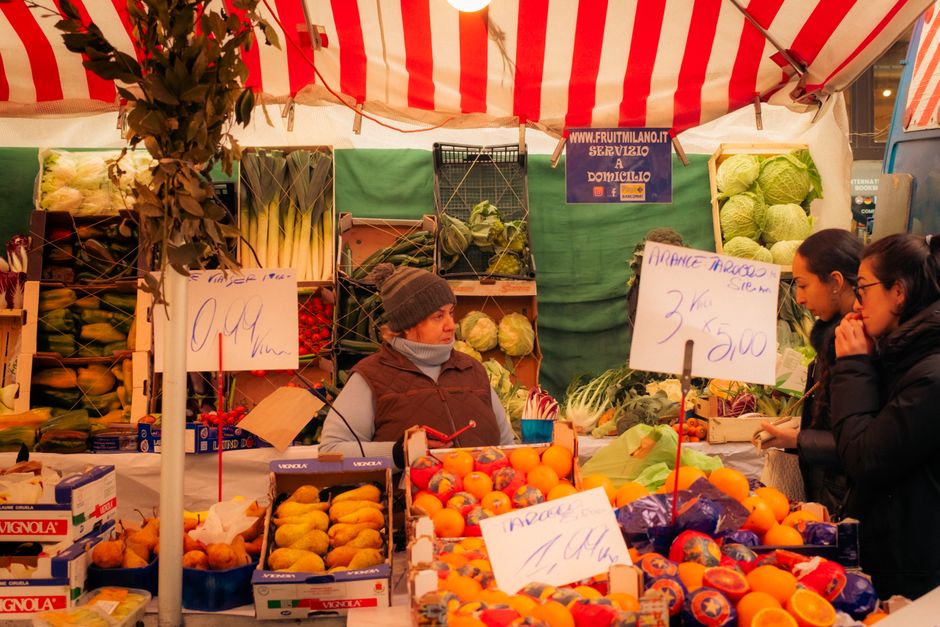
Food represents the second-largest budget category, yet strategic eating transforms this from expense to experience. Local markets—like Barcelona's La Boqueria, Budapest's Great Market Hall, or Lisbon's Ribeira Market—offer fresh produce, cheese, bread, and prepared foods at 50-70% less than restaurant prices. A typical market meal of fresh fruit, cheese, bread, and cured meat costs $5-$8 and provides sustenance while revealing authentic local food culture. Supermarkets like Lidl and Aldi, ubiquitous across Europe, stock prepared salads, rotisserie chicken, fresh bread, and regional specialties at remarkable value—$3-$6 for a complete meal when self-catering.

Restaurant dining doesn't require abandonment for budget Europe travel; instead, focus on lunch rather than dinner and seek establishments away from tourist zones. In Prague, Budapest, and Warsaw, traditional restaurants serving local cuisine charge $8-$12 for satisfying mains—Polish pierogi, Hungarian goulash, Czech schnitzel—while tourist-adjacent restaurants charge double. Many European countries offer "menu del día" or lunch specials at midday for $6-$10, substantially cheaper than evening pricing. Street food culture in Eastern Europe provides exceptional value: Turkish kebabs in Berlin cost $4-$6, Italian arancini in Palermo cost $2-$3, and Spanish bocadillos (sandwiches) run $4-$6. Seeking out neighborhoods where locals eat rather than visible tourist areas consistently yields 30-40% savings. Sampling regional wines in Portugal and Spain costs $3-$5 per glass at local bars rather than $8-$12 at tourist establishments.

Transportation Hacks That Add Up Fast

Transportation between and within European cities can consume significant budgets or remain remarkably economical depending on approach. Bus networks like FlixBus, Eurolines, and regional operators charge $15-$40 for overnight journeys between major cities—substantially cheaper than flights and providing accommodation savings by traveling while sleeping. Booking buses 2-4 weeks ahead yields 40-60% discounts compared to last-minute fares. Overnight buses from Prague to Berlin ($20-$30), Warsaw to Budapest ($25-$35), or Lisbon to Madrid ($20-$28) save both accommodation and transportation costs. Night trains, particularly through Eurail Night services in Central Europe, cost similarly while providing sleeping berths.

Within cities, public transportation passes provide exceptional value. Budapest's 72-hour tram and metro pass costs $18 and includes unlimited city travel plus thermal bath entries. Prague's 3-day passes cost $15 for unlimited metro and tram access. Lisbon's Viva Viagem card provides 10 journeys for $10 or unlimited 7-day travel for $40. Walking ranks as the ultimate budget strategy—many European city centers, particularly old towns in Prague, Krakow, and Athens, are entirely navigable on foot. Flying budget airlines like Ryanair, EasyJet, and Wizz Air carries risks of hidden fees but occasionally offers genuinely cheap routes ($15-$40) when booking during flash sales and accepting basic economy restrictions. Splitting long journeys with travelers through rideshare platforms like BlaBlaCar reduces costs while creating social opportunities.

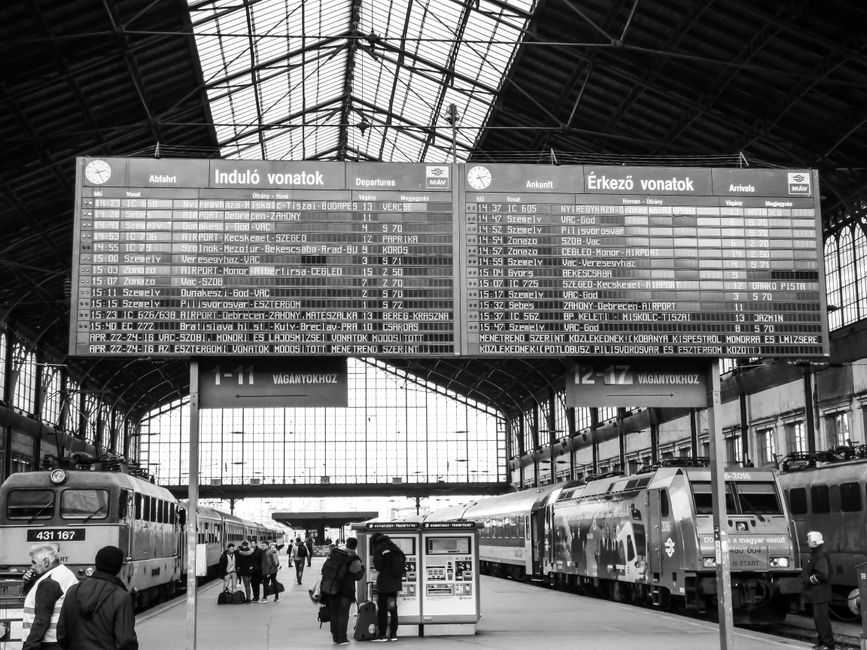
Black and white photo of a bustling train station with prominent departure board and commuters.

Photo by Pixabay on Pexels

Free and Low-Cost Activities That Define Travel

Europe's greatest attractions need not drain budgets. Free walking tours operate in virtually every major city—Prague, Budapest, Warsaw, Krakow, Athens, Lisbon, Barcelona—where local guides lead 2-3 hour explorations of historic quarters, culminating in optional tip-based compensation (typically €3-€5). These tours provide orientation, insider context, and social connection while remaining entirely free if budgets are tight. Many museums offer free entry on specific days: Athens' archaeological museums free on Sundays, Berlin's museums free on Thursday evenings, and numerous Spanish museums free during evening hours. Churches, cathedrals, and religious sites—including Spain's stunning basilicas, Prague's St. Vitus Cathedral, and Hungary's thermal baths built into baroque structures—charge €3-€8 for entry while providing architectural grandeur rivaling paid attractions.

Nature-based activities provide endless cost-free experiences: hiking in the Carpathian Mountains costs nothing beyond transportation to trailheads, cycling along the Danube valley requires only bike rental ($8-$15 daily), and swimming in thermal lakes and natural hot springs near Iceland's geothermal areas or Hungary's countryside charges nothing. Urban parks, riverfronts, and beaches provide free recreation and social spaces where locals gather. Street performance and busking create free entertainment in major squares—Prague's Old Town Square, Barcelona's Gothic Quarter, and Vienna's pedestrian zones feature world-class musicians performing continuously. Visiting during city festivals, often free or pay-what-you-wish, provides cultural immersion: Prague's Fringe Festival, Budapest's summer open-air cinema series, and Spain's La Tomatina festival in Valencia offer distinctive experiences at minimal cost. Markets themselves function as cultural experiences and entertainment venues beyond shopping purposes.

Timing Your Trip for Maximum Value

Seasonality dramatically impacts budget Europe travel costs. Peak summer (June-August) marks the worst period for budget travelers, with accommodation doubling, restaurants raising prices 30-40%, and attractions extending hours while charging premium admission. Conversely, shoulder seasons (April-May and September-October) deliver pleasant weather with 20-30% lower costs than peak season. Winter (November-March), despite cold temperatures, offers the deepest discounts: accommodation drops 40-60%, flights cost 50-70% less, and tourist attractions become manageable without overwhelming crowds. Late November through early December, after summer tourism ends but before Christmas holidays, represents exceptional value—crisp weather, fewer tourists, and markedly reduced prices.

Avoiding major holidays and school vacations proves essential. July-August attract families on school holidays, spiking prices across Southern Europe. Easter holidays increase Central and Eastern European tourism. Christmas and New Year's mark peak pricing in all regions. Conversely, January-February and November represent budget sweet spots with minimal tourism and maximum value. Traveling Monday-Thursday typically costs less than weekends; flights, accommodation, and restaurant prices often fluctuate by 20-30% between midweek and weekends. Booking accommodation and transportation 6-8 weeks in advance for off-season travel yields the deepest discounts, while last-minute bookings during low season occasionally produce flash deals but carry substantial risk of higher-than-planned costs.

Frequently Asked Questions

Is $50 per day realistic for budget Europe travel in 2024?

Absolutely, though it requires discipline and smart choices. Fifty dollars daily breaks down approximately: accommodation $18-$22, food $15-$18, activities $5-$8, and transportation $5-$8. This budget works most easily in Eastern Europe (Poland, Hungary, Romania, Czech Republic) and Southern Europe's less touristy areas (Portugal's interior, Greek islands beyond Mykonos, southern Spain). Western capitals like London, Paris, and Zurich require higher budgets ($60-$80 minimum), but budget Europe travel remains achievable across the continent with intentional destination and timing choices.

What's the cheapest country in Europe for backpackers?

Albania consistently ranks as Europe's most affordable destination, with meals under $4, accommodation from $12-$18 nightly, and minimal tourism infrastructure premiums. Romania, Bulgaria, and Kosovo follow closely behind. Within more popular regions, Portugal's Alentejo region, Greece's lesser-known islands, and Hungary outside Budapest offer exceptional value. Poland's smaller cities and Slovakia's mountain towns provide stunning experiences at $20-$30 daily total costs.

Should travelers purchase a Eurail Pass for budget Europe travel?

Eurail Passes rarely offer value for budget travelers. A 10-day Global Pass costs $500-$700 monthly, averaging $50-$70 daily just for transportation. For most routes, advance-booked bus tickets (FlixBus, Eurolines) and regional train discounts beat Pass pricing significantly. Eurail Passes only benefit those making 5+ long international journeys within specific timeframes. Budget travelers maximize value through individual ticket bookings, overnight buses, and occasional flights rather than comprehensive rail passes.

What documents and visas are needed for budget Europe travel?

US, Canadian, Australian, and most developed nation citizens enjoy 90-day Schengen Area visa-free access covering most European countries. UK citizens post-Brexit require passports valid 6+ months. Travel insurance isn't legally required but protects against medical expenses, theft, and trip cancellations—budget options cost $20-$40 monthly. Travel SIM cards or eSIMs provide European data cheaper than roaming; Vodafone prepaid and local carriers cost $10-$20 monthly for generous data allowances.

How can travelers earn money while traveling Europe on a budget?

Work-exchange platforms like WorkAway, HelpX, and WWOOF offer free or reduced accommodation in exchange for 4-5 hours daily work—particularly viable in rural areas and farms. English teaching through VIPKID or local language schools provides flexible income. Freelance platforms (Upwork, Fiverr) enable remote work if possessing marketable skills. Seasonal work permits allow citizens of some countries temporary employment in hospitality or agriculture. Selling photos through Shutterstock or teaching private lessons generates modest supplementary income, extending travel timelines and reducing daily expenses.

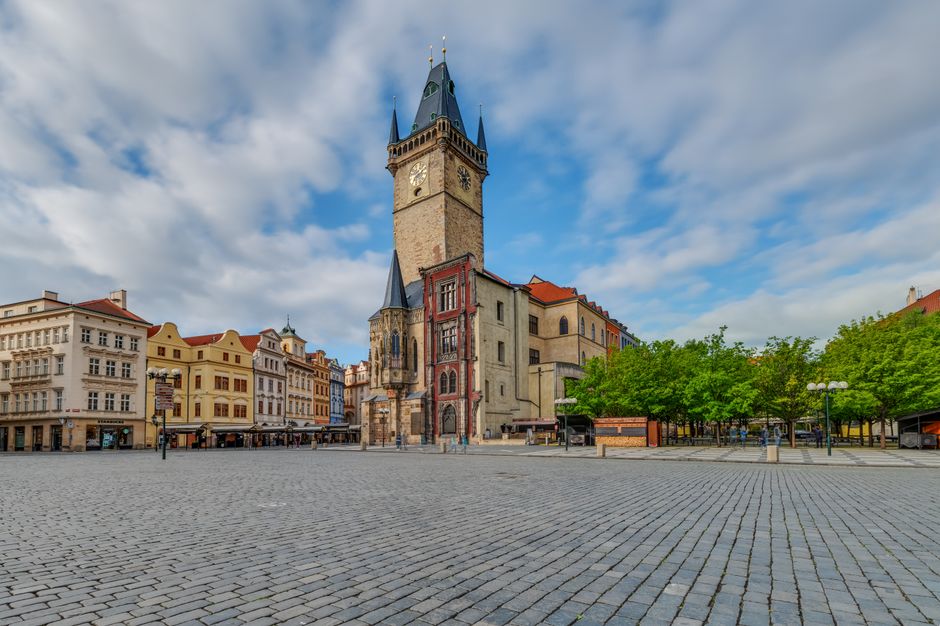
Scenic view of the iconic Old Town Square in Prague featuring historic architecture and the town hall tower.

Photo by Miloš Steklý on Pexels

Ready to Pin This Journey?

Budget Europe travel transforms from distant dream to achievable reality through strategic planning, smart destination choices, and embracing local experiences over tourist attractions. Whether exploring Eastern Europe's medieval towns, Portugal's golden coastlines, or Greece's island villages, fifty dollars daily funds remarkable adventures across the continent. Start planning your budget Europe journey today, save strategically, and discover that travel's richness comes not from spending, but from intention and openness to authentic cultural immersion.

Scenic view of a tranquil Czech village surrounded by lush hills at sunset, under an orange sky.

Photo by Mikael Root on Pexels

Prices and availability are approximate and may vary. Always verify with official sources before booking.

Best Hidden Beaches in Southeast Asia: Secret Coastal Paradises Beyond Tourist Crowds

Best Hidden Beaches in Southeast Asia: Secret Coastal Paradises Beyond Tourist Crowds

While millions of travelers flock to Thailand's Phuket and Bali's crowded shores, some of Southeast Asia's most breathtaking coastal escapes remain virtually unknown to mainstream tourism. These hidden beaches Asia offers—tucked away in remote archipelagos, hidden behind limestone cliffs, and accessible only by boat or hiking trails—deliver untouched beauty, crystal-clear waters, and authentic encounters with local cultures. Discovering these secret paradises requires more planning than a typical beach vacation, but the reward is an experience far removed from resort crowds and selfie-stick throngs.
Dramatic limestone cliffs rise from the tranquil sea in this scenic Thailand seascape.

Photo by Juliia Abramova on Pexels

Koh Rong Sanloem, Cambodia: The Island That Time Forgot

Located off Cambodia's southern coast near the tourist hub of Sihanoukville, Koh Rong Sanloem remains refreshingly underdeveloped compared to other Southeast Asian island destinations. The island stretches just 12 kilometers long and features pristine stretches of powdery white sand backed by dense jungle, with Saracen Bay serving as the primary settlement. What distinguishes this hidden gem from overrun Thai islands is the almost complete absence of development on its eastern and northern shores—visitors can walk for kilometers without encountering another person, finding only coconut palms, hermit crabs, and the sound of waves against untouched sand.

Access requires taking a ferry from Sihanoukville port (approximately 90 minutes, 45,000 Cambodian Riel or about $11 USD) or a speedboat for those with less time. The island operates on a genuinely rustic level—electricity is primarily generator-based, internet is sporadic, and accommodation ranges from basic wooden bungalows (starting at $15 per night) to modest mid-range options. Travelers willing to embrace this simplicity discover phenomenal snorkeling directly from the beach, where healthy coral gardens and tropical fish species create underwater gardens without the hordes found at established diving destinations. The dry season from November through April offers optimal conditions, with water temperatures around 28°C and minimal rainfall.

Palau Perhentian Kecil, Malaysia: Malaysia's Best-Kept Secret

In Malaysia's Terengganu state, the Perhentian Islands offer secluded beaches that rival famous Thai counterparts with a fraction of the visitor traffic. Palau Perhentian Kecil (Small Perhentian Island) contains the most pristine beaches, including Long Beach and Coral Bay, where turquoise waters meet untouched shorelines backed by virgin jungle. Unlike commercialized beach destinations, the island maintains strict environmental policies—large resorts are prohibited, and development is intentionally limited to preserve the ecosystem. This means travelers find only small family-run guesthouses and diving shops, creating an atmosphere that feels genuinely remote despite being accessible by ferry.

Reaching the island requires traveling to Kuala Besut port (a five-hour drive north of Kuala Lumpur) and taking a 45-minute speedboat ride. Ferries operate year-round but the dry season (November through March) provides the smoothest water conditions. Accommodation clusters around Long Beach, with options ranging from basic beach huts at 60-80 Malaysian Ringgit (approximately $13-17 USD) to slightly more comfortable chalets at 120-150 Ringgit. The island operates without vehicles—all movement is by foot or water, preserving the tranquil atmosphere. Snorkeling and diving enthusiast communities thrive here, with several dive shops offering PADI certifications and house reef dives where reef sharks, turtles, and garden eels frequently appear.

A breathtaking view of a tropical island with lush palm trees lining the turquoise ocean waters, ideal for a serene vacation.

Photo by Yaman Nejdet Han on Pexels

Pig Beach and Surrounding Islands, Philippines: The Bacuit Archipelago's Secrets

While El Nido in Palawan Province has become increasingly touristy, the lesser-known beaches within the greater Bacuit Archipelago region remain relatively untouched. Beyond the famous Pig Beach (known for its swimming pigs), travelers discover Dalilulung Island, Ipil Beach, and numerous unnamed coves accessible only by private boat tours. These islands feature limestone karst formations rising dramatically from impossibly blue waters, hidden lagoons accessible only at high tide, and stretches of beach where visitors may be entirely alone. The geology creates natural amphitheaters of rock and jungle, with hidden beaches seemingly designed by nature for those seeking solitude.

Accessing these islands requires basing in El Nido (fly into Puerto Princesa, then a four-hour drive to El Nido town) and arranging private boat tours—group tours inevitably draw crowds to the most famous beaches. Private island-hopping costs range from 2,000-3,500 Philippine Pesos per person (approximately $36-63 USD) depending on group size and boat quality. The best strategy involves staying in El Nido but arranging boats at dawn before larger group tours depart, allowing travelers to reach islands in the early morning when light is optimal and crowds minimal. April through May brings the hottest weather but the calmest seas. The surrounding water reaches 29°C from April onwards, making swimming and snorkeling comfortable year-round.

Koh Kood, Thailand: Far Eastern Thailand's Overlooked Paradise

While nearby Koh Chang attracts thousands of backpackers and beach resort tourists, Koh Kood remains remarkably underdeveloped and quiet despite equally stunning natural features. Located in Thailand's extreme eastern frontier, just 40 kilometers from the Cambodian border, Koh Kood combines jungle-covered interior forests with pristine beaches including Hat Khlong Chao and Hat Khlong Phrao on the island's west side. Travelers who make it here describe an atmosphere suspended between development and preservation—the island has grown enough to provide decent accommodation and restaurants, yet retains an authentic village feel with Thai fishing communities and minimal English signage.

Ferry access from Laem Ngop port (three hours from Bangkok) takes approximately two hours (200-250 Thai Baht or about $6-7 USD on slower ferries, 300 Baht for speedboats). The journey itself feels like an adventure, with the ferry passing through waters dotted with traditional fishing boats and small islands. Accommodation ranges from riverside bungalows starting at 300 Baht ($8 USD) to mid-range beach resorts around 1,500-2,000 Baht ($40-55 USD). November through February brings optimal conditions with calm seas and dry weather. The island's interior contains waterfalls including the spectacular Khlong Chao Waterfall, accessible via a 15-minute hike from the main beach road, offering freshwater swimming pools amid jungle greenery—a unique combination of beach and rainforest adventure.

A tranquil waterfall cascading in a verdant jungle setting, surrounded by mist and lush greenery.

Photo by Julia Volk on Pexels

Benoa Beach and Nusa Dua's Quieter Stretches, Bali: Undiscovered Corners of Famous Island

While Seminyak and Kuta beaches swarm with tourists and commercialization, Bali's northern and eastern coastal areas contain hidden beaches that deliver the island's natural beauty without the overwhelming crowds. Benoa Beach on the narrow peninsula separating Benoa Harbor from the open ocean stretches for kilometers with minimal development, offering gray sand, calm waters ideal for swimming, and direct views across the Lombok Strait toward Mount Agung. Similarly, beaches east of Ubud toward Kusamba village feature dark volcanic sand, local fishing villages, and dramatic seascape views with fewer visitors seeking them out.

These beaches require driving away from main tourist corridors—approximately 45 minutes from Ubud or 30 minutes from central Bali. The advantage is encountering actual Balinese culture rather than tourist-oriented versions; local warungs (small restaurants) serve authentic food at minimal prices (50,000-100,000 Indonesian Rupiah or $3-6 USD for complete meals), and swimmers share the beach with locals rather than competing for sand space. The volcanic sand, while not as fine as white-sand beaches, creates a unique aesthetic and warms pleasantly underfoot. Wind and swell conditions are less predictable here, making them less ideal for swimming but excellent for observing traditional outrigger boats and Jukung fishing vessels operating from these beaches.

Practical Planning for Hidden Beaches Asia Adventures

Successfully reaching these hidden beaches Asia destinations requires strategic planning differing from typical resort-based travel. Transportation often involves multiple connections—domestic flights followed by car rentals or motorcycle taxis, then ferry rides, potentially ending with hiking or kayaking. Accommodation booking deserves careful consideration; while these destinations offer budget options, the very remoteness that creates their appeal means limited availability during peak seasons and potential closure during monsoon periods. Travelers should verify seasonal accessibility before committing to trips, as some islands restrict ferry service during dangerous sea conditions (typically May through October in the Andaman region).

Packing strategically matters more at remote destinations where convenience stores may be absent or stock limited items. Sun protection becomes critical without resort infrastructure—reef-safe sunscreen, lightweight long sleeves, and wide-brimmed hats prevent severe sunburn when snorkeling around pristine coral. Currency exchange should occur in larger towns before traveling to islands where ATMs may not exist or credit card processors may be unavailable. Travel insurance specific to Southeast Asia provides essential protection for medical evacuations or trip disruptions caused by weather. Most importantly, respecting these delicate ecosystems ensures they remain pristine for future travelers—carrying all trash from beaches, avoiding sunscreen in marine areas, and supporting local conservation initiatives preserves the very qualities that make these hidden beaches extraordinary.

Colorful coral reef teeming with marine life in San Jose, Philippines.

Photo by Zir YU on Pexels

Frequently Asked Questions

What is the cheapest hidden beach destination in Southeast Asia?

Koh Rong Sanloem in Cambodia offers exceptional value with basic bungalows starting at $12-15 USD per night and ferry costs around $11. Food remains inexpensive at local restaurants (meals from $2-5 USD), making entire trips feasible on $30-40 USD daily budgets. The island's remoteness paradoxically keeps prices low since development remains minimal and competition limited.

When is the best time to visit hidden beaches in Southeast Asia?

November through March represents the dry season across most Southeast Asian beach destinations, offering calm seas, clear skies, and comfortable temperatures. However, prices rise significantly during this period. The shoulder seasons of April and October provide balance—fewer crowds than peak season with still-acceptable weather—though some islands experience closure due to monsoon preparation.

Are hidden beaches in Southeast Asia safe for solo travelers?

Most hidden beaches maintain excellent safety records with low crime and welcoming local communities. Traveling solo is common, particularly among female travelers. Standard precautions apply—avoiding isolated areas after dark, securing valuables, and maintaining regular contact with someone regarding your whereabouts. Island communities, while remote, typically prove safer than major tourist centers due to lower criminal opportunity.

Do hidden beaches in Asia require special diving or snorkeling certification?

Most snorkeling from beaches requires no certification and can be done independently. Diving expeditions typically require PADI certification cards, though many operators offer discover scuba courses for beginners (usually 3,000-5,000 Baht or $85-140 USD). The shallow house reefs around these islands suit beginners, while certification opens access to deeper offshore sites with more dramatic marine life encounters.

How do hidden beaches Asia stay uncrowded if they're becoming known?

These islands maintain lower tourism numbers through limited ferry schedules, intentional infrastructure restrictions, and geographic distance from major airports. Additionally, their isolation actually deters casual tourists seeking convenience; travelers must commit significant planning, longer journey times, and accept basic accommodation. This natural filtering preserves these destinations in ways that cannot easily change without fundamentally altering their character.

Ready to Pin This Journey?

These hidden beaches Asia destinations demand more effort than typical vacations but deliver memories of untouched paradise that mass-market resorts cannot replicate. Start planning your escape to one of these secret shores—before word spreads too far and transforms them forever.

A breathtaking silhouette of palm leaves at sunset over a tranquil ocean horizon.

Photo by Balazs Simon on Pexels

Prices and availability are approximate and may vary. Always verify with official sources before booking. Ferry schedules, accommodation availability, and seasonal accessibility change regularly—confirm current conditions with local tourism offices or recent traveler reports before committing to trips.

5 Insane Treehouses You Must Sleep In Before You Die

5 Insane Treehouses You Must Sleep In Before You Die

There's something profoundly transformative about sleeping suspended among the canopy, where the boundary between architecture and nature dissolves entirely. These aren't mere novelty accommodations—they represent a fundamental shift in how adventurous travelers experience the world, trading conventional comfort for genuine connection with the natural realm. The most extraordinary treehouses push beyond whimsy into the realm of architectural marvel, offering experiences that linger in memory long after checkout.
A modern treehouse with glass walls surrounded by dense forest, featuring a wooden deck and serene atmosphere.

Photo by Amar Preciado on Pexels

Soneva Jani, Maldives: Where Trees Meet Tropical Dreams

Nestled within the pristine archipelago of the Maldives, Soneva Jani represents the pinnacle of luxury treehouse hospitality. These wooden villas seem to float impossibly among towering palms and coconut trees, accessible by wooden walkways that weave through the jungle canopy. Each residence features floor-to-ceiling glass walls that transform the sleeping experience into an immersive nature encounter, allowing guests to drift asleep beneath an unobstructed view of stars that few destinations on earth can match. The architecture employs sustainable techniques, with natural ventilation systems and rain-water collection features that exemplify responsible luxury travel.

What distinguishes Soneva Jani from standard treehouse Airbnb options is the integration of sophisticated amenities without sacrificing authenticity. Private pools perched above ground, spa facilities that function as tree-integrated wellness sanctuaries, and dining experiences that celebrate local Maldivian cuisine create a comprehensive tropical escape. The resort maintains committed environmental practices, including a ban on single-use plastics and partnership with marine conservation initiatives. Guests consistently report that the combination of seclusion and service transforms their perception of luxury travel, particularly the surreal experience of watching tropical storms roll across the ocean from an elevated vantage point within the canopy.

The Silo Eco Hotel, South Africa: Architectural Ingenuity in the Wilderness

Perched on a private game reserve in Kruger Park's buffer zone, The Silo represents a revolutionary approach to treehouse design and safari luxury. The structure spirals upward through massive yellowwood trees, creating a unique vertical architecture that maximizes structural harmony with the forest ecosystem. This engineering marvel stands as one of only two hotels ever to receive World Travel Awards' Best New Hotel globally, recognition that speaks to its transformative approach to hospitality. The seven-story cantilevered design maintains zero permanent structures attached to the trees themselves, preserving the wood's integrity while providing 360-degree views of the savanna landscape below.

The interior experience mirrors the external architectural boldness, featuring a glass floor overlooking the forest canopy below, temperature-controlled spaces that utilize geothermal energy, and a wellness center that integrates meditation platforms directly into the structure. Dining occurs at communal tables that foster authentic guest interaction, while the absence of WiFi or television encourages genuine disconnection from urban rhythms. Safari experiences begin directly from the property, with guests departing on guided game walks led by experienced rangers who navigate the reserve's complex ecosystem. The combination of design excellence, conservation commitment, and adventure positioning makes The Silo a transformative bucket-list experience that transcends typical luxury hospitality classifications.

Bali Treetop Villas, Indonesia: Balinese Culture Elevated

High above the rice terraces of Ubud, the Bali Treetop Villas offer an architectural synthesis of traditional Balinese design principles and contemporary environmental consciousness. These elevated residences utilize reclaimed teak and sustainable materials, honoring the island's cultural heritage while maintaining modern comfort standards. Each villa features private infinity pools that appear to suspend guests between earth and sky, with floor-to-ceiling windows designed to blur the distinction between interior and exterior space. The properties' positioning provides unobstructed views across terraced landscapes that have inspired artists, spiritual seekers, and adventurous travelers for generations.

What distinguishes these villas from generic treehouse Airbnb offerings is their deep integration with Balinese culture and wellness practices. In-villa yoga sessions led by trained instructors, Balinese cooking classes featuring ingredients from on-site gardens, and regular purification ceremonies conducted by local spiritual practitioners create a holistic travel experience. The staff, primarily drawn from nearby villages, receives fair-trade wages and skill development opportunities, ensuring that tourism revenue directly benefits the surrounding community. Guests report transformative experiences centered on spiritual alignment and cultural exchange, often citing the morning practices overlooking rice paddies as moments of genuine clarity and perspective shift.

Harads Treehotel, Sweden: Arctic Minimalism Above the Boreal Forest

In the remote forests of Swedish Lapland, Harads Treehotel presents an unconventional approach to elevated accommodation that challenges architectural conventions and aesthetic expectations. Suspended among ancient pine trees in near-total isolation, this property offers uniquely designed rooms including the "Bird's Nest," a structure encased entirely in woven branches, and the "The Cabin," a minimalist cube of glass and wood that creates the unsettling sensation of floating unsupported above the forest floor. Each accommodation celebrates Scandinavian design principles—clean lines, natural materials, thoughtful simplicity—while embracing the extreme isolation that defines Swedish Lapland experiences.

The appeal of Harads lies in its radical commitment to environmental minimalism and seasonal authenticity. Winter visits offer opportunities to witness the Northern Lights from your private treehouse bedroom, an experience reported to create profound emotional responses in visitors. Summer transforms the landscape into a realm of endless daylight, where 24-hour illumination creates temporal disorientation that paradoxically enhances relaxation. The hotel maintains partnerships with local Indigenous Sámi communities, offering optional cultural experiences that provide genuine insight into reindeer herding traditions and Arctic survival techniques. Infrastructure remains intentionally basic—composting toilets, wood-fired heating, handmade furnishings—a philosophy that transforms limitation into deliberate luxury through the power of simplicity and connection to natural systems.

A contemporary wooden cabin with glass facade nestled in a forest landscape.

Photo by Joachim Hoholm on Pexels

Campi ya Kanzi, Kenya: Conservation Through Community-Based Ecotourism

Positioned within the Rift Valley ecosystem of Kenya, Campi ya Kanzi functions simultaneously as luxury accommodation and active conservation initiative. The treehouses, constructed using sustainable materials and traditional Maasai architectural knowledge, rise among acacia and sausage trees that dominate the surrounding landscape. Each structure maintains open-air design elements that maximize wildlife viewing opportunities—wake to giraffes browsing vegetation at eye level, or observe elephants traversing the valley floor from your private veranda. The integration of local Maasai staff as lead guides, cooks, and facility managers ensures that cultural authenticity and economic benefit flow directly to the community that has stewarded these lands for generations.

The property distinguishes itself through transparent commitment to conservation and community partnership. A percentage of all revenue supports wildlife protection initiatives, predator research programs, and educational opportunities for Maasai youth. Walking safaris led by Maasai guides offer perspectives unavailable through traditional vehicle-based tourism, with guides sharing ancestral knowledge about ecosystem dynamics, animal behavior patterns, and sustainable land management practices. The dining experience celebrates Kenyan cuisine prepared using locally-sourced ingredients, with meals often shared communally around open fires. Guests consistently report that staying in these treehouses catalyzes fundamental perspective shifts regarding conservation, indigenous knowledge systems, and the possibility of tourism models that genuinely honor both natural systems and human communities.

Planning Your Treehouse Escape: Practical Considerations for Elevated Adventures

Selecting among the world's most exclusive treehouses requires understanding which properties align with individual travel priorities, fitness levels, and budget parameters. Soneva Jani and The Silo occupy the ultra-luxury spectrum, with nightly rates exceeding $1,500 USD, positioning them as once-in-a-lifetime splurges for travelers seeking uncompromising architectural excellence and service sophistication. Bali Treetop Villas offer mid-range positioning, typically between $300-600 nightly, making premium treehouse experiences more accessible to broader traveler demographics. Harads Treehotel operates seasonally, with winter aurora experiences commanding premium pricing while summer visits offer relative value. Campi ya Kanzi maintains conservation-focused pricing structured to support community initiatives, offering extraordinary value relative to the property's ecological significance and cultural authenticity.

Booking timelines vary dramatically based on season and location-specific demand patterns. Soneva Jani requires advance planning of 6-12 months during peak season, while The Silo's limited capacity demands comparable lead time. Bali Treetop Villas maintain more flexible availability, though optimal season (April-May, September-October) fills 3-4 months ahead. Harads operates on strict seasonal windows, with Northern Lights season (November-February) booking almost entirely by August. Campi ya Kanzi follows Kenya's wildlife migration patterns, with dry seasons (June-October, January-February) offering superior safari viewing. Travelers should also consider accessibility requirements—properties like Harads feature significant climbing and movement through narrow passages, while Soneva Jani provides easier physical access. Health considerations matter as well; altitude exposure at properties like The Silo and precipitation intensity during monsoon seasons in Bali require consultation with medical professionals before booking.

Frequently Asked Questions

Are luxury treehouse Airbnb options comparable to these exclusive properties?

The vast majority of treehouse Airbnb listings offer charming experiences without the architectural innovation or service infrastructure of exclusive properties like Soneva Jani or The Silo. However, quality varies dramatically—some mid-range Airbnb treehouses in Bali, Costa Rica, and Thailand provide genuinely memorable stays at fraction of luxury resort pricing. The distinction typically centers on amenity scale, staff expertise, and integration with broader hospitality ecosystems rather than the treehouse concept itself.

What are legitimate safety concerns when sleeping in elevated treehouses?

Established treehouse properties undergo rigorous structural engineering and safety inspections, with particular attention to weather resilience, load-bearing capacity, and emergency egress routes. Guests with fear of heights, severe claustrophobia, or certain mobility limitations should carefully review property specifications before booking. Insurance coverage varies significantly—confirm whether your travel insurance covers treehouse accommodations specifically, as some policies exclude tree-based structures.

Do treehouses remain comfortable during extreme weather events?

Premium properties like Soneva Jani and The Silo incorporate advanced weatherproofing, storm-resistant construction, and climate control systems designed for seasonal extremes. However, properties remain vulnerable to severe typhoons, hurricanes, or unexpected storms—properties in hurricane or monsoon zones typically close during peak season risks. Always review seasonal closure dates and weather pattern information before committing to travel during transition seasons.

What environmental impact do treehouse accommodations create?

Responsible treehouse design minimizes tree damage through non-invasive construction techniques—premium properties employ suspension systems that distribute weight without permanently damaging wood. However, aggregate environmental impact depends on broader infrastructure: energy consumption, waste management, transportation access, and supply chain practices. Properties like Campi ya Kanzi and The Silo demonstrate that treehouses can operate as conservation-positive initiatives when integrated with genuine environmental commitments beyond architectural novelty.

How far in advance should treehouses be booked, and is negotiation possible on pricing?

Luxury properties require 6-12 months advance notice for peak seasons, though shoulder seasons offer shorter booking windows. Prices remain largely fixed for established resorts, though extended stays sometimes qualify for modest discounts. Lesser-known treehouse Airbnb options maintain greater flexibility, with last-minute bookings frequently available. Contact properties directly regarding extended stay arrangements or group rate possibilities rather than relying exclusively on booking platform interface parameters.

Rope suspension bridge in a lush forest setting with vibrant greenery.

Photo by Mo Eid on Pexels

Ready to Pin This Journey?

These five extraordinary treehouses represent more than accommodation—they represent a fundamental reimagining of how travelers can engage with natural environments and their own capacity for wonder. Whether pursuing ultra-luxury architectural marvels, conservation-focused experiences, or culturally integrated escapes, treehouse accommodations offer perspectives unavailable through conventional hospitality. Begin researching your treehouse journey today, considering seasonal timing, budget parameters, and which property aligns with your travel philosophy. Save this guide for future reference, share recommendations with fellow adventurers, and recognize that the experience of sleeping suspended among the canopy may fundamentally shift how you understand luxury, adventure, and environmental connection.

Rope suspension bridge in a lush forest setting with vibrant greenery.

Photo by Mo Eid on Pexels

Prices and availability are approximate and may vary. Always verify with official sources before booking.

Home Posts About Disclaimer
Est. 2026  ·  The World Worth Exploring

Every journey deserves
to be pinned.

A travel guide to hidden destinations, unusual stays, and the experiences worth planning a trip around.

Start Exploring
Scroll
Hidden Beaches Mountain Treks Street Food Budget Travel Unusual Stays Bucket List Solo Adventures Cultural Deep Dives Hidden Beaches Mountain Treks Street Food Budget Travel Unusual Stays Bucket List Solo Adventures Cultural Deep Dives

Latest Guides

Recent guides

View all posts →
About the Publication

Travel shouldn't need a fortune — just curiosity.

Pin My Journey is a travel publication covering the world's most extraordinary destinations — hidden beaches, unusual stays, street food, and bucket-list adventures. Every guide is researched to help travelers find places worth pinning to the map.

Explore →